Car Key Replacement by Brand — What Actually Differs Between Makes
The process of cutting and programming a replacement car key is not one-size-fits-all, and the differences between brands are significant. Ford and Lincoln vehicles, for example, often use PATS (Passive Anti-Theft System) transponders that require a specific sequence of steps to add a new key to the vehicle's ECU — skipping or misordering those steps means the key will crank the engine and immediately stall. GM vehicles across Chevrolet, GMC, Buick, and Cadillac lines have migrated through multiple transponder generations, from the older fixed-code chips to rolling-code systems found in current models, and some late-model GM push-to-start vehicles require dealer-level OBD programming that our technicians are equipped to perform in the field. Toyota and Lexus smart keys are known for their tight pairing requirements: the fob must be registered to the vehicle's immobilizer, Body ECU, and sometimes the power steering or door control modules simultaneously. Honda and Acura proximity keys present similar challenges, particularly on post-2018 models where a dealer seed key or existing programmed key is sometimes needed to authorize a new one — our technicians carry tools that can handle lost-all-keys scenarios for most of these platforms without a tow to the dealership.
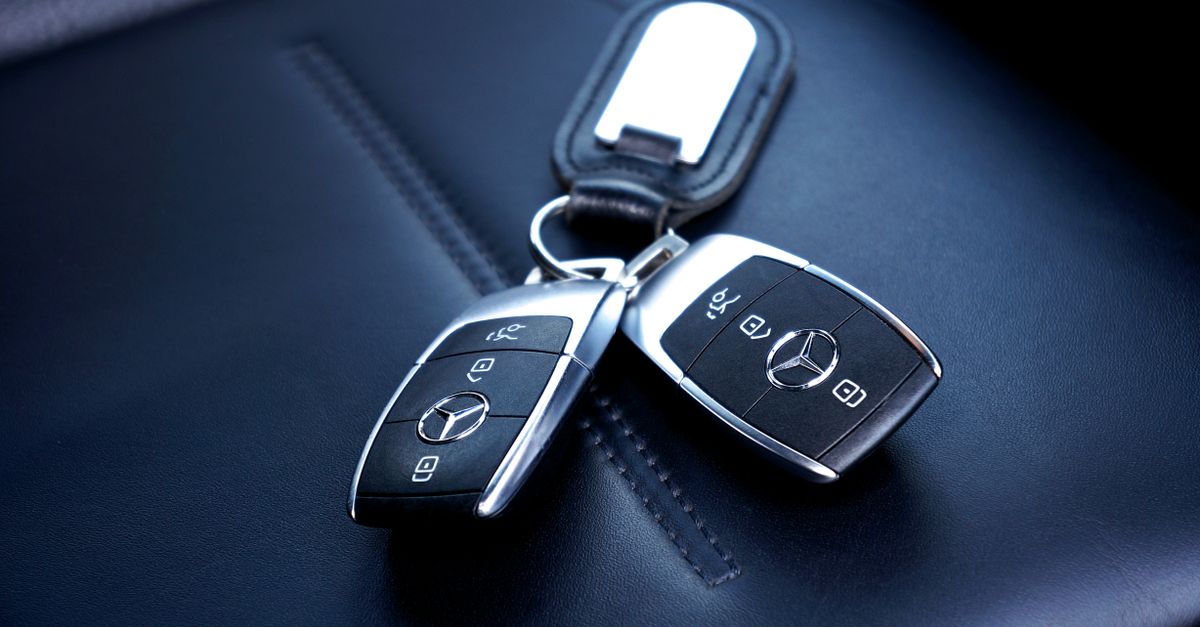
European brands — BMW, Mercedes-Benz, Audi, and Volkswagen — are among the more technically demanding. BMW's CAS and FEM/BDC modules use encrypted key data that must be read and rewritten with professional-grade interfaces. Mercedes-Benz EIS/EZS systems on older W211 and W220 platforms differ substantially from the newer ESL-based setups on C-Class and E-Class vehicles built after 2012. Chrysler, Dodge, Jeep, and Ram vehicles under the Stellantis umbrella typically use the SKIM (Sentry Key Immobilizer Module) system, and many newer models require a PIN code generated from the VIN — something our tools can retrieve without a dealer visit. Nissan and Infiniti use the NATS (Nissan Anti-Theft System), and Hyundai, Kia, and Genesis have progressively tightened their immobilizer systems on post-2015 models. Regardless of the brand sitting in your driveway or parking lot, we ask for your VIN and year before we arrive so the right blank, chip, and software profile are loaded on the van before we even pull up.