Access Control Installation: What Lakeland Businesses Actually Need
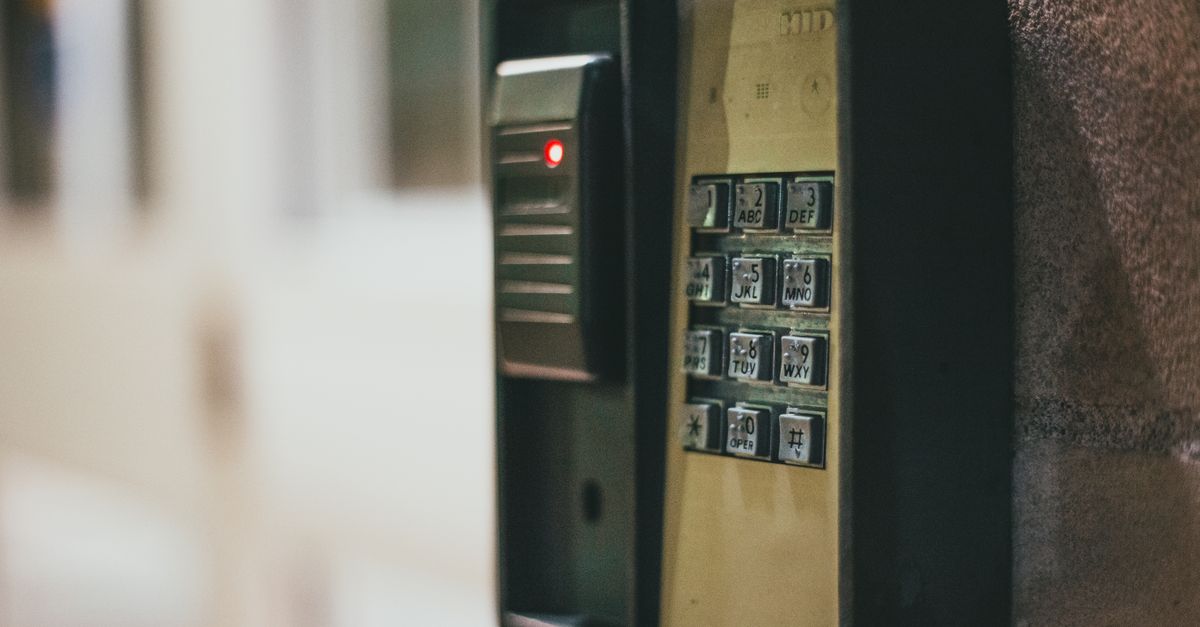
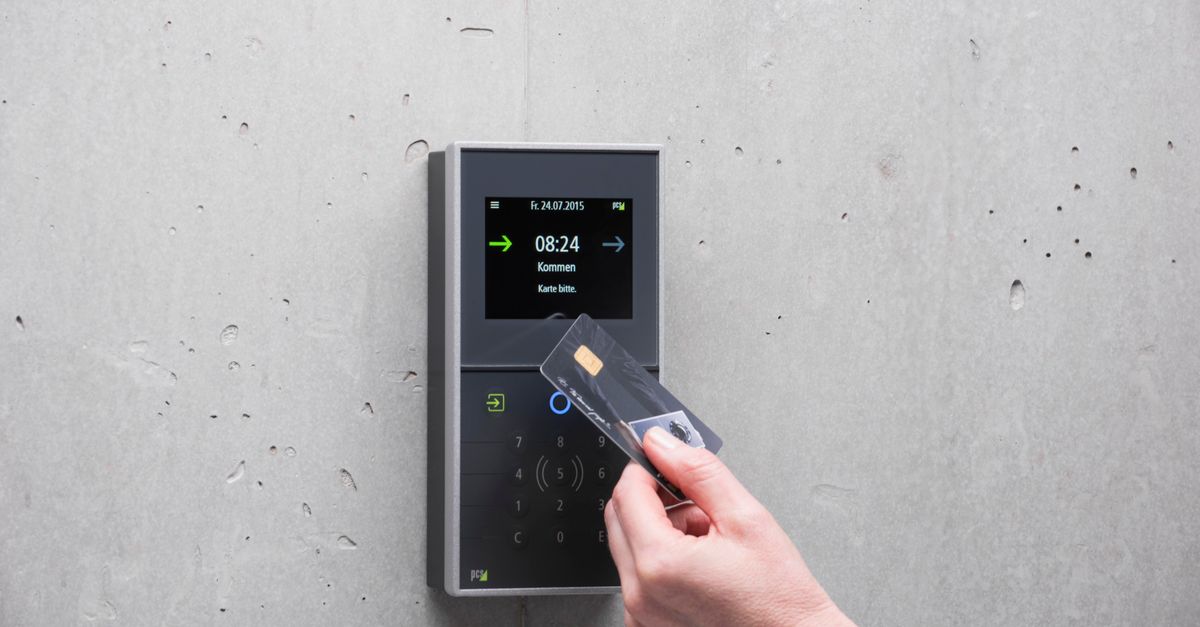
Not every business needs the same solution, and cookie-cutter systems create gaps. A single-door retail shop on East Memorial Boulevard has different needs than a multi-entry distribution facility off Combee Road. Our commercial locksmith technicians begin every job with a door-by-door assessment: frame condition, door thickness and material, existing prep cuts, traffic volume, and your preferred credential type — PIN keypad, proximity fob, smart card, mobile credential, or a hybrid combination. That upfront audit shapes every hardware and wiring decision that follows, which means the system we install will still make sense for your operation three or four years from now, not just on day one.
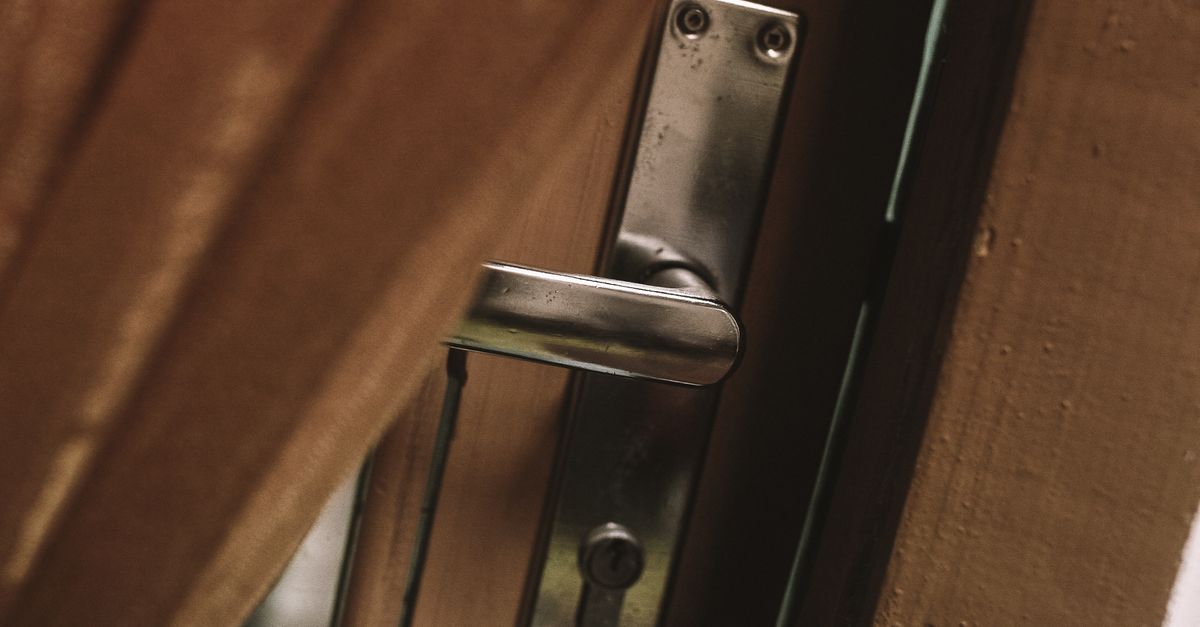
The audit also determines whether your existing door hardware can be upgraded or needs to be replaced entirely. Many commercial doors in older Lakeland buildings are already prepped for a mortise lock body, which is one of the most important compatibility points in an electronic access control installation. A mortise lock housing sits inside a routed pocket in the door edge rather than surface-mounting through a pair of holes, giving it a far more rigid mechanical base for an electrified or motorized strike. Our technicians are fluent in access control mortise lock configurations — from electrified mortise cylinders to full mortise lock access control bodies with integrated request-to-exit sensors — and can spec the right unit for steel, aluminum, and solid-wood commercial doors alike.